

L
o
a
d
i
n
g
 PixelMatrix Photograph
Weddings are filled with emotions, rituals, and moments that happen simultaneously. Choosing the right camera setup is essential to ensure these moments are captured beautifully. Understanding the difference between single-camera and multi-camera coverage helps couples make an informed decision for their wedding day.
Uses one professional camera to cover the entire wedding event
Best suited for small, intimate weddings with fewer guests
Works well when rituals happen one after another
Ideal for short-duration ceremonies
Budget-friendly option for simple events
Limitations:
Can capture only one moment at a time
Simultaneous emotions and reactions may be missed
Limited angles and visual variety
Less flexibility during photo and video editing
Uses two or more cameras operating simultaneously
Captures multiple moments happening at the same time
One camera focuses on rituals while others capture emotions and reactions
Provides wide shots, close-ups, and candid moments together
Ideal for traditional and grand weddings
Advantages:
No important ritual or emotion is missed
Better storytelling through multiple perspectives
Rich and cinematic wedding films
Detailed and expressive photo albums
Acts as a backup for once-in-a-lifetime moments
Single camera focuses on one subject at a time, while multi-camera captures multiple perspectives simultaneously
Single camera offers basic documentation, whereas multi-camera delivers complete storytelling
Multi-camera coverage provides more creative freedom during editing
Emotional depth is significantly higher with multi-camera setups
Indian weddings involve multiple rituals happening together
Bride and groom emotions unfold simultaneously
Family reactions and candid moments add value to memories
Multi-camera coverage ensures nothing is compromised or missed
Helps create a more engaging and immersive final output
While single camera coverage may suit simple and intimate ceremonies, weddings deserve a more complete approach. Multi-camera coverage ensures every emotion, ritual, and reaction is preserved beautifully. For weddings that are meant to be remembered for a lifetime, choosing multi-camera coverage makes a meaningful difference.
“A wedding happens once, Capture it from every angle.”

Learn why live streaming is essential for weddings, family functions, corporate events, and religious ceremonies, connecting loved ones worldwide in real time.

Drone photography adds aerial perspective, cinematic storytelling, and creative depth to event coverage, making memories look grand and unforgettable.

Candid and conventional photography serve different purposes. This blog explains how each style works and why choosing both ensures complete and meaningful event coverage.

Confused between single camera and multi camera coverage for your event? This guide explains where each setup works best and why multi-camera coverage creates better memories for grand celebrations.
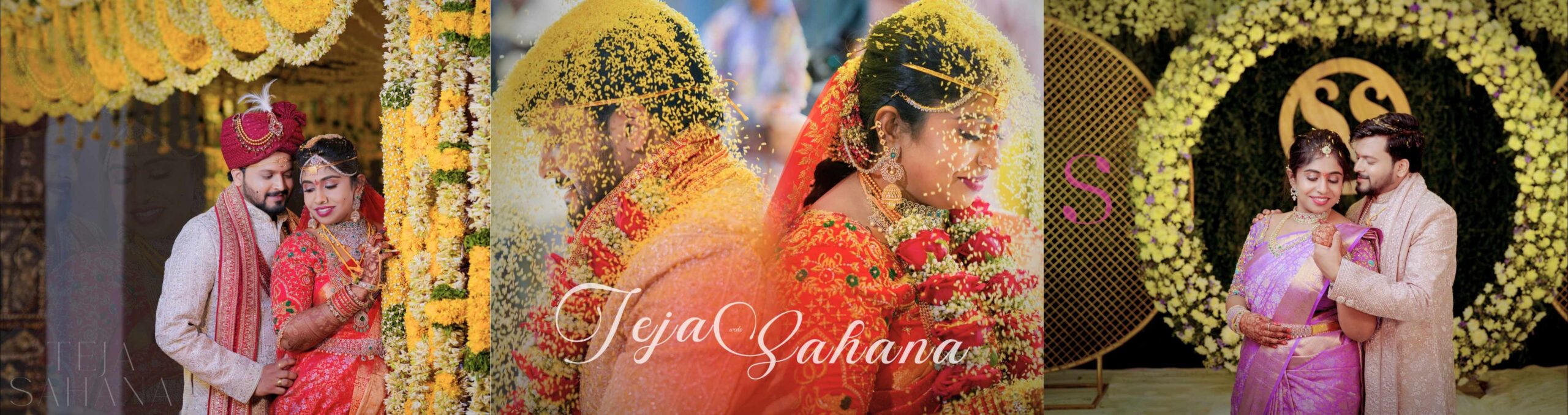
From elegant pre-wedding moments to vibrant haldi and heartfelt vows, PixelMatrix Photography beautifully captured every emotion of Sahana and Sai Teja’s wedding story, turning each frame into a timeless memory.

Anshika’s Half-Saree Ceremony was a mesmerizing blend of tradition, elegance, and vibrant celebrations. From the sacred Mangalasnanam to the colorful Mehndi and the grand ceremony, every moment was filled with love and cultural richness. The festivities concluded with a lively after-party, doubling as Akshika’s birthday Sangeet, making it a night to remember.
